
Introduction
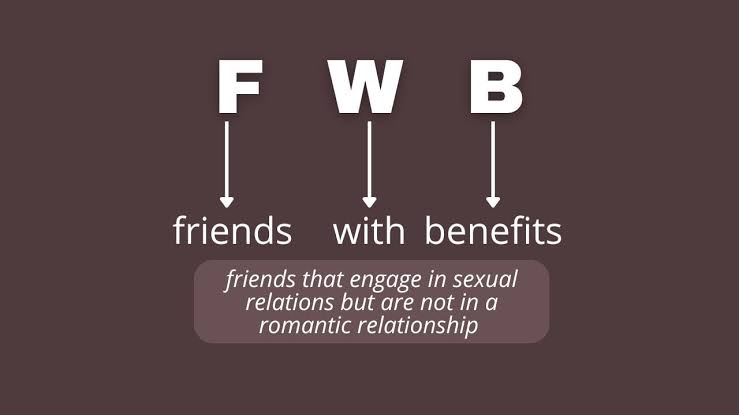
Modern conversations are filled with abbreviations that can be confusing if you don’t know the context. One of the most common relationship-related terms is FWB dalam bahasa gaul, which appears frequently in chats, social media posts, dating conversations, and online discussions. FWB stands for Friends with Benefits, a phrase used for a relationship between two people who remain friends while also sharing physical or sexual intimacy without defining themselves as a traditional romantic couple.
In this article, you’ll learn what FWB means, how people use it in texting, how it differs from dating and friendship, examples of the slang in conversation, and why communication and boundaries matter when the term describes a real-life relationship.
What Does FWB Dalam Bahasa Gaul Mean?

FWB dalam bahasa gaul means Friends with Benefits. In simple English, it describes two people who consider themselves friends but also have an intimate or sexual relationship without the usual romantic commitment associated with being boyfriend and girlfriend.
The word “benefits” does not normally refer to money, gifts, or material advantages. In slang conversations, it usually refers to physical or sexual intimacy. The exact boundaries can differ between people, which is why the term should not be assumed to mean precisely the same arrangement in every situation.
The phrase is commonly shortened to FWB dalam because abbreviations make online conversations faster. Someone might write, “We’re FWB,” “Do you have an FWB?” or “Are they dating or just FWB?”
The important distinction is that FWB generally does not carry the same romantic label as a committed relationship. However, real relationships can be complicated, and emotions may develop even when both people originally intended to keep things casual.
FWB Meaning in Simple Words

In the simplest terms, FWB dalam means:
Two people are friends and also share physical intimacy without officially being in a committed romantic relationship.
The arrangement depends on mutual understanding, consent, personal boundaries, and communication. It should never be assumed that every FWB relationship follows exactly the same rules.
What Does “Benefits” Mean in FWB?
In this slang expression, “benefits” usually refers to sexual or physical intimacy between friends. It does not normally mean financial benefits or ordinary favors.
The phrase is therefore more specific than simply saying two people are close friends.
Is FWB the Same as Dating?
No. Dating usually involves romantic interest and may involve an intention to develop a committed relationship. FWB generally describes a friendship that includes physical intimacy without that traditional romantic commitment.
That said, individual relationships can vary, so the label alone doesn’t explain every detail.
FWB Meaning in Texting and Social Media
FWB dalam is especially common in text messages, dating apps, social media conversations, and online communities. A person may use the abbreviation because it is shorter and easier than writing “friends with benefits” every time. Slang dictionaries also identify FWB as a common abbreviation used in texting and online communication.
For example, someone might ask:
- “Are you two dating?”
- “No, we’re FWB.”
- “Oh, so you’re friends with benefits?”
In another conversation, someone might say, “I’m not looking for a relationship right now. I’m only interested in FWB.”
The meaning depends heavily on context. If you see FWB in a meme, comment, dating profile, or private message, the surrounding words usually make the intended meaning clearer.
Common FWB Text Examples
Here are some natural examples of how people may use the abbreviation:
- “He said they are FWB.”
- “Are you looking for a relationship or FWB?”
- “We started as friends and became FWB.”
- “I’m not ready to date, so we’re keeping it FWB.”
- “She asked whether I was okay with an FWB arrangement.”
- “They call themselves FWB, not a couple.”
- “FWB sounds simple, but feelings can complicate it.”
These examples demonstrate how the abbreviation functions as relationship slang rather than as a conventional dictionary phrase.
FWB on Dating Apps
On dating apps, FWB dalam may appear in profiles or messages when someone wants to communicate that they are interested in a casual arrangement rather than a traditional relationship.
Because dating preferences can vary significantly, people should clarify what they mean rather than relying only on the abbreviation.
FWB in Casual Conversations
Friends may also use FWB casually when discussing celebrities, fictional relationships, dating experiences, or rumors. In those situations, the term may describe a relationship that appears intimate but isn’t officially labeled as romantic.
FWB vs Friendship, Dating, and Casual Relationships
Understanding FWB dalam becomes easier when you compare it with other relationship types. The biggest difference is usually the combination of friendship and physical intimacy without conventional romantic commitment.
| Relationship Type | Friendship | Physical Intimacy | Romantic Commitment |
| Normal friendship | Yes | Usually no | No |
| Dating | Sometimes | Possible | Often developing |
| One-night encounter | Usually no | Yes | No |
| FWB | Yes | Yes | Usually no |
| Committed relationship | Usually yes | Often yes | Yes |
These categories are general descriptions, not strict rules. People can define relationships differently, and labels don’t automatically establish someone’s boundaries or expectations.
FWB vs Friends
A normal friendship usually centers on companionship, trust, shared interests, and emotional support. FWB adds a physical or sexual component that ordinary friendship does not normally include.
FWB vs Boyfriend or Girlfriend
A boyfriend-girlfriend relationship commonly carries romantic expectations and some level of commitment. FWB generally avoids that traditional romantic label.
However, two people can still care about each other deeply while using the FWB label. The label doesn’t automatically determine how someone feels.
FWB vs Casual Dating
Casual dating can still involve romantic dates, emotional interest, and the possibility of becoming a couple. FWB dalam is more specifically associated with an existing friendship combined with physical intimacy.
FWB vs One-Night Stand
A one-night stand is generally a brief sexual encounter. FWB usually implies an ongoing connection between people who know each other as friends. Relationship research and explainers commonly distinguish FWB from other casual arrangements based on friendship, communication, frequency, and emotional involvement.
Signs Someone May Be Talking About an FWB Relationship
The acronym itself is straightforward, but people sometimes use it indirectly. Understanding common signs can help you interpret the term correctly.
Someone may be referring to FWB when they describe a person as “just a friend” while also mentioning physical intimacy. Another clue is when someone specifically says they don’t want a serious relationship but still want an ongoing intimate connection.
Here are some common conversational clues:
- They emphasize that there is no official relationship label.
- They describe the person as a friend.
- They mention physical or sexual intimacy.
- They say they aren’t looking for commitment.
- They use phrases such as “keeping things casual.”
- They refer to the relationship as “no strings attached.”
- They describe boundaries around dating or exclusivity.
None of these clues proves that someone is in an FWB relationship. The only reliable way to know is to ask the person directly and respectfully.
Why People Use the FWB Label
People may choose the term because it quickly communicates that the relationship is neither a conventional friendship nor a traditional romantic partnership.
For some adults, the appeal can involve companionship, physical intimacy, independence, or avoiding expectations associated with formal dating. Different people have different motivations, and no single explanation applies to everyone.
Does FWB Always Mean No Feelings?
No. The common definition focuses on the absence of conventional romantic commitment, but human emotions aren’t always controlled by labels.
People involved in FWB arrangements can develop romantic feelings over time. Relationship sources frequently identify emotional complications and mismatched expectations as potential challenges.
Can FWB Turn Into a Relationship?
Yes, it can, although it isn’t guaranteed. Some FWB relationships eventually become romantic relationships, while others remain casual or eventually end.
The outcome depends on the people involved, their feelings, communication, and expectations.
FWB Examples in Everyday English
If you’re learning slang, examples can make the meaning much easier to understand. Here are several situations showing how FWB can appear naturally.
Example 1:
“Are you seeing anyone?”
“Not really. I have an FWB, but we’re not dating.”
Example 2:
“What’s going on between those two?”
“They’re FWB. They aren’t officially a couple.”
Example 3:
“Are you looking for something serious?”
“No. I’m only interested in something casual, maybe FWB.”
Example 4:
“Is she your girlfriend?”
“No, she’s a friend. We’re FWB.”
Example 5:
“Why don’t you two start dating?”
“We’ve talked about it, but we’re comfortable keeping things casual.”
These examples show why context matters. FWB doesn’t simply mean “close friends.” It usually indicates an additional intimate component.
Funny Ways People Explain FWB
Because slang is often used humorously online, people sometimes create playful descriptions of FWB. These jokes don’t change the actual meaning, but they can make the term easier to remember.
For example:
- “Friends with benefits: friendship with an unexpected upgrade.”
- “It’s complicated, but apparently that’s the point.”
- “Friends, but with a plot twist.”
- “Not dating, not strangers, somewhere in between.”
- “The relationship status that needs its own paragraph.”
- “When ‘just friends’ comes with an asterisk.”
- “Friendship, but the terms and conditions got longer.”
- “It’s casual until someone’s feelings enter the chat.”
These are humorous interpretations rather than formal definitions.
Benefits and Challenges of an FWB Arrangement
An FWB arrangement can look simple from the outside, but real-life relationships often involve more than a label. Clear expectations are especially important because people may interpret “casual” differently.
Some people may appreciate independence and flexibility. Others may eventually experience jealousy, confusion, disappointment, or stronger feelings.
Research and relationship-focused sources commonly point to communication, emotional expectations, and boundaries as important factors in casual relationships.
Possible Advantages
Depending on the people involved, an FWB arrangement may provide:
- Companionship without traditional dating expectations
- Physical intimacy between people who already know each other
- Greater independence
- A casual alternative to committed dating
- An arrangement based on clearly discussed expectations
These potential advantages don’t mean FWB works for everyone.
Possible Challenges
Common challenges can include:
- One person developing stronger feelings
- Jealousy
- Confusion about exclusivity
- Friendship becoming uncomfortable
- Different expectations
- Difficulty ending the arrangement
- Miscommunication
The biggest issue is often that two people enter the arrangement with different assumptions.
Why Communication Matters
If people choose this type of relationship, honest communication becomes especially important. Both people should understand what the arrangement means to them and what boundaries exist.
Consent should always be mutual and ongoing. People should also communicate about sexual health, protection, testing, privacy, and whether either person is seeing others.
Related Slang to FWB
FWB belongs to a larger group of dating and relationship slang. Knowing related expressions can make social-media conversations easier to understand.
| Slang | General Meaning |
| FWB | Friends with benefits |
| TTM | Teman tapi mesra |
| No strings attached | Casual arrangement without traditional commitment |
| Situationship | Relationship-like connection without a clearly defined status |
| Hookup | Casual sexual encounter or relationship, depending on context |
| Ghosting | Suddenly ending communication without explanation |
| Red flag | A behavior or sign that may indicate a relationship problem |
| Talking stage | Early stage of getting to know someone romantically |
In Indonesian culture, TTM (teman tapi mesra) is sometimes discussed alongside FWB because both can describe relationships that go beyond ordinary friendship. However, the terms aren’t necessarily identical in every context. Indonesian slang references note that TTM has also been associated with intimate or FWB-like relationships.
FWB and TTM: Are They the Same?
Not exactly. TTM literally means “teman tapi mesra,” or roughly “friends but affectionate/intimate.” FWB is a specific English expression referring to friends who engage in sexual or physical intimacy without conventional romantic commitment.
People may use the terms similarly in casual Indonesian conversations, but context determines the intended meaning.
How to Respond When Someone Says “FWB”
If someone uses FWB in a conversation and you’re unsure what they mean, don’t guess. You can simply ask, “What do you mean by FWB?” or “When you say FWB, what kind of relationship do you mean?”
This is especially useful because relationship labels can carry different expectations for different people.
If someone proposes an FWB arrangement, a respectful conversation can cover:
- What each person wants
- Whether the arrangement is exclusive
- Personal boundaries
- Emotional expectations
- Privacy
- Sexual health and protection
- How either person can end the arrangement
Clear communication can prevent many misunderstandings.
FAQs About FWB Dalam Bahasa Gaul
What does FWB dalam bahasa gaul mean?
FWB means Friends with Benefits, referring to friends who also share physical or sexual intimacy without a traditional committed romantic relationship.
What is the full form of FWB?
The full form of FWB is Friends with Benefits.
What does FWB mean in texting?
In texting, FWB is shorthand for Friends with Benefits and usually describes a casual intimate relationship between friends.
Is FWB the same as dating?
No. FWB generally doesn’t involve the conventional romantic commitment associated with dating, although individual arrangements can vary.
What does “benefits” mean in FWB?
In this slang context, “benefits” generally refers to physical or sexual intimacy rather than money or material advantages.
What is FWB in Indonesian slang?
FWB is commonly understood in Indonesian slang as Friends with Benefits, or a friendship involving intimacy without a conventional romantic commitment.
Is FWB the same as TTM?
Not exactly. TTM means “teman tapi mesra,” while FWB is the English term for a friendship that includes sexual or physical intimacy without traditional commitment.
Can FWB become a relationship?
Yes. Some FWB arrangements can develop into romantic relationships, although others remain casual or eventually end.
Can people develop feelings in an FWB relationship?
Yes. Even when an arrangement begins casually, one or both people can develop stronger emotional or romantic feelings.
Is FWB a serious relationship?
FWB is generally not considered a traditional committed romantic relationship, although the people involved may still care about each other and have meaningful emotional connections.
Conclusion
Understanding FWB dalam bahasa gaul is easier once you know that FWB stands for Friends with Benefits. The term generally describes friends who share physical or sexual intimacy without defining themselves as a traditional romantic couple. It frequently appears in texting, dating apps, social media, and casual conversations.
The key is context. FWB isn’t necessarily identical to dating, TTM, a hookup, or a situationship. People can also have different expectations about what the arrangement means. When the term describes a real relationship, honest communication, mutual consent, boundaries, and respect are essential. Knowing the meaning helps you understand the conversation, but only the people involved can define their relationship accurately.
